Direct Skin Topography Measurement with a Versatile Imaging System
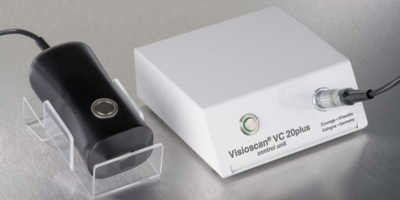
The Visioscan® VC 20plus is a unique UVA-light video camera with high resolution, designed to study the skin surface directly. Developed by Courage + Khazaka electronic GmbH, it provides objective image-based data for evaluating skin texture, roughness, scaliness, wrinkles, dryness, and surface structure.
The system uses dedicated SELS® parameters — Surface Evaluation of the Living Skin — which were developed especially for this camera and have been used in numerous scientific studies. The captured images show the structure of the skin and the level of dryness very clearly, making it a valuable tool for cosmetic efficacy testing, dermatological research, product development, and claim substantiation.
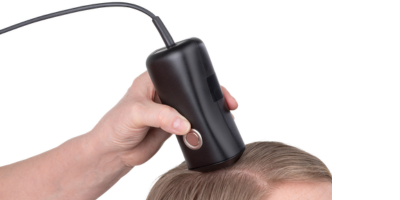
The Visioscan® VC 20plus can also be used on pigmented spots, lesions, and hair, expanding its application beyond general skin surface analysis. With its multifunctional software, it offers a flexible, accurate, and economical solution for characterizing skin surface condition.
The Visioscan® VC 20plus has also been used onboard the International Space Station — ISS for several years, highlighting its scientific reliability and established role in advanced skin research.

Captures detailed images of the skin surface to evaluate texture, dryness, roughness, wrinkles, and surface structure.
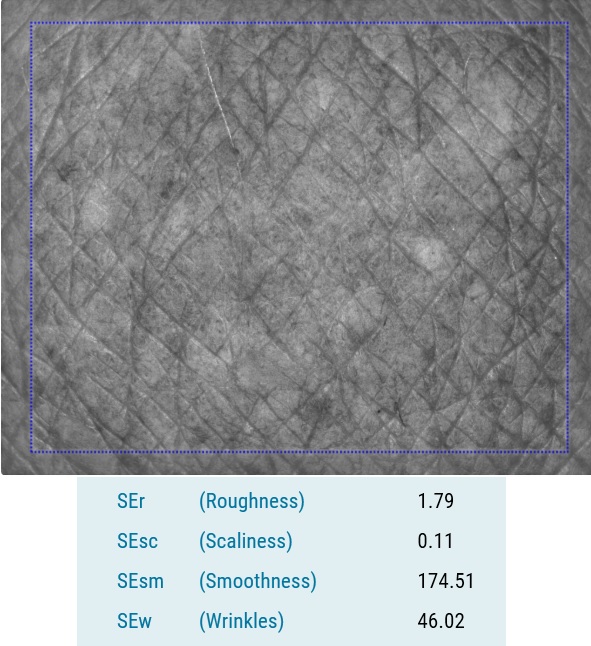
Uses SELS® — Surface Evaluation of the Living Skin to calculate four key parameters: skin smoothness, roughness, scaliness, and wrinkles.
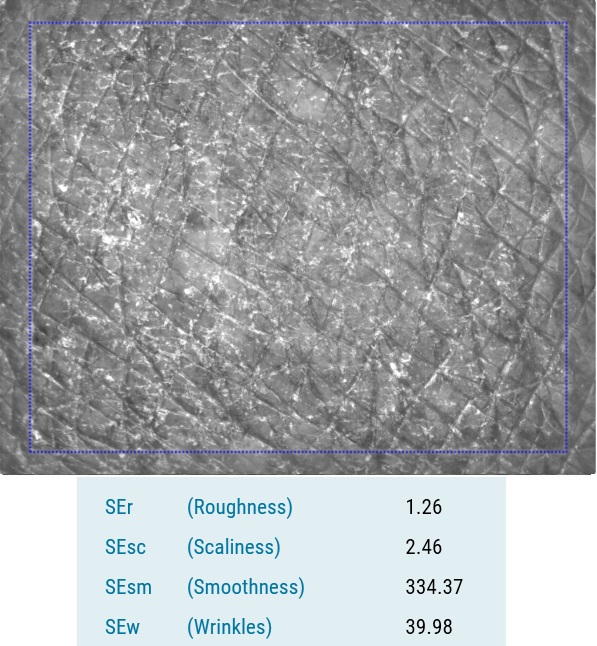
Calculates additional parameters such as line profiles, roughness indices, virtual skin volume, unfolded surface, anisotropy, and cell size.
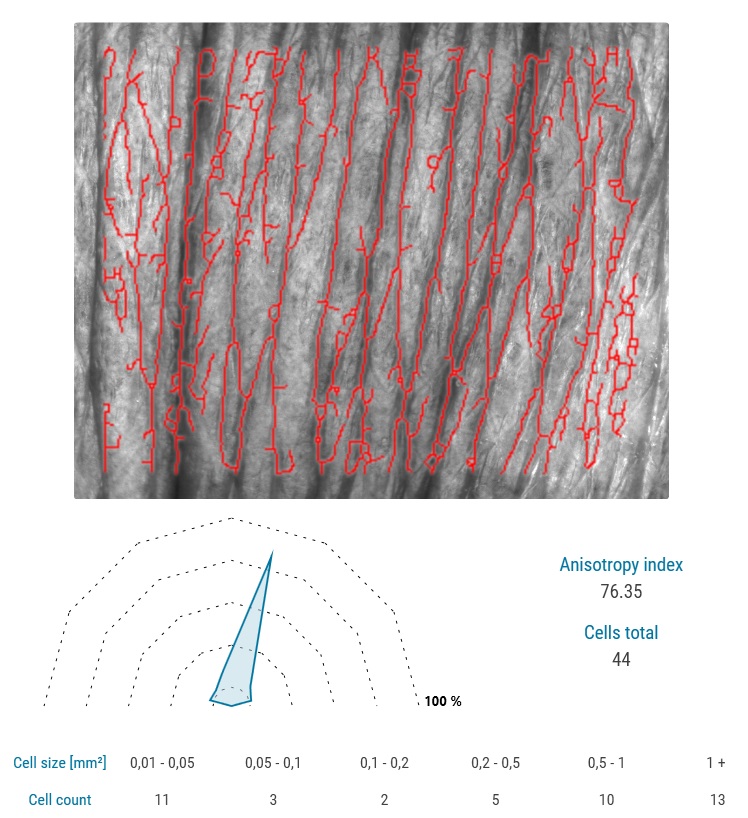
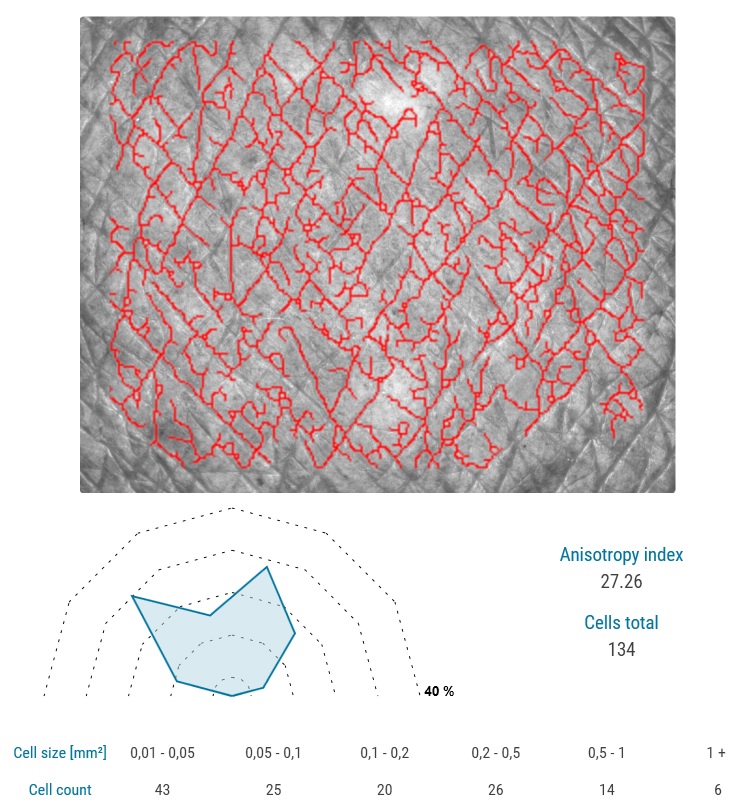
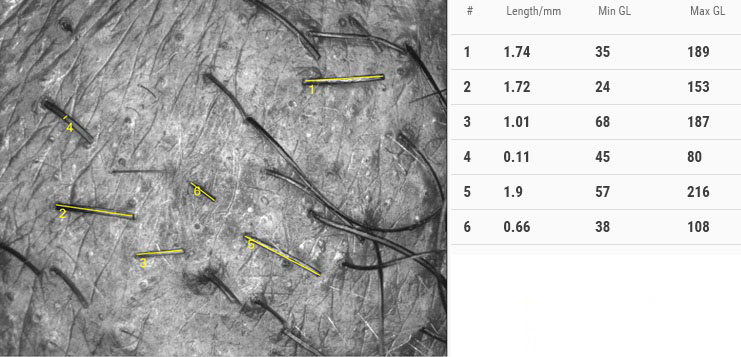
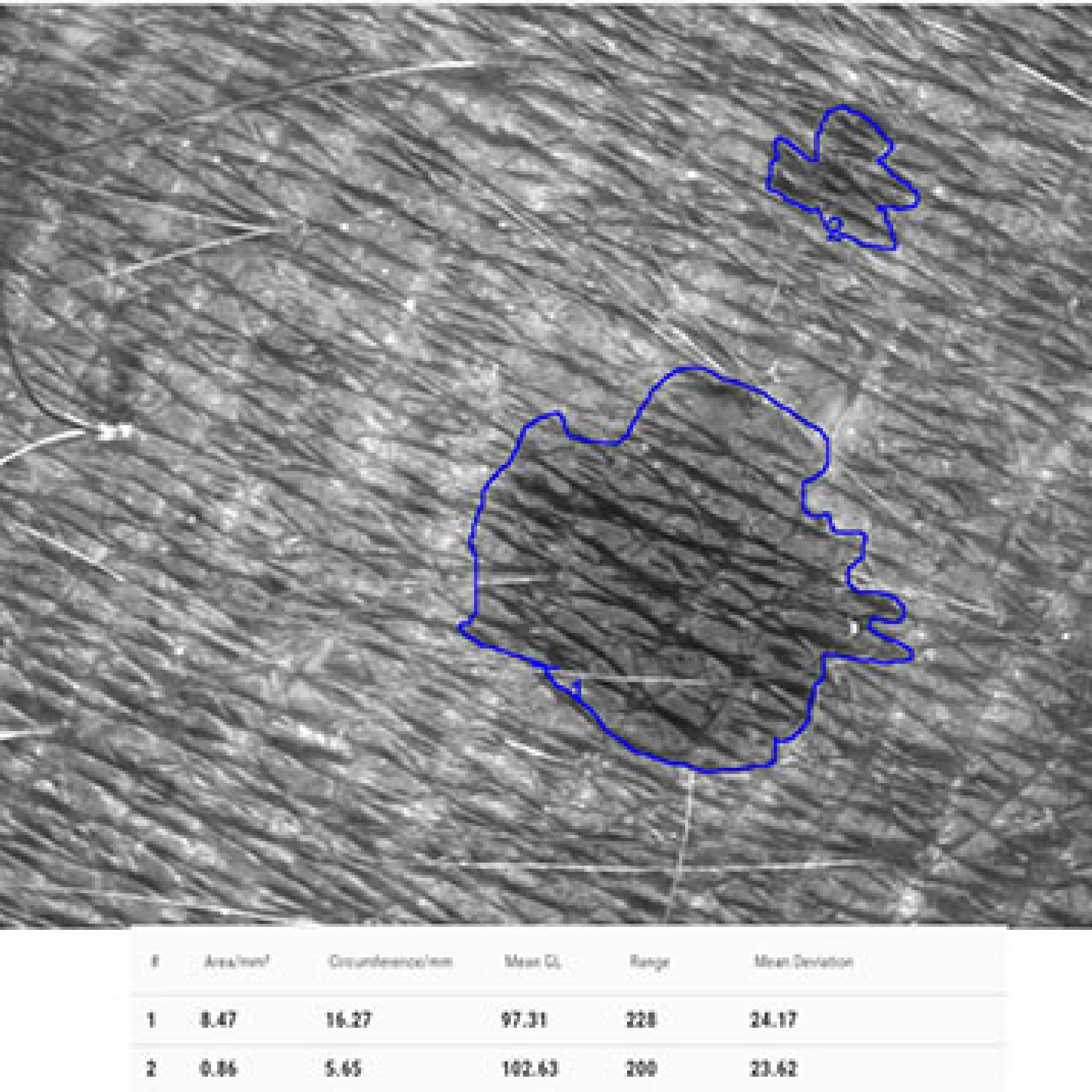
Allows users to draw lines or free-hand objects directly on the image to measure hair length, hair thickness, pigmented spots, lesions, and other visible features.
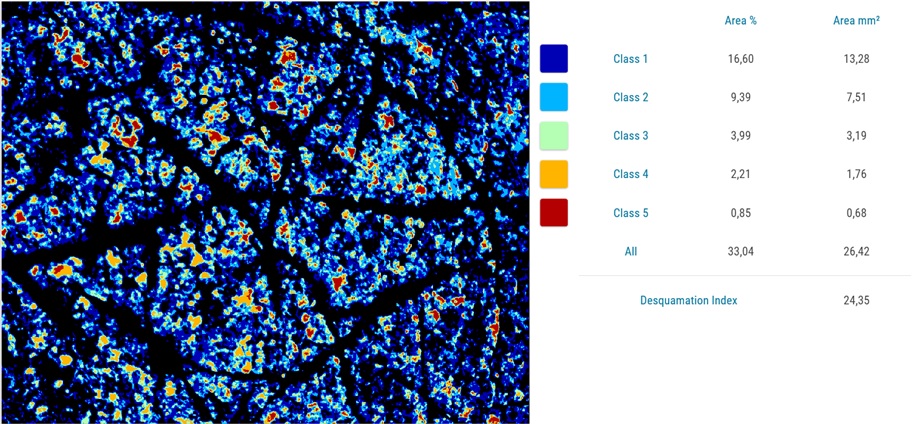
Can be used with Corneofix® F 20 for scaliness/dryness assessment and Sebufix® F 16 for real-time sebum production monitoring.
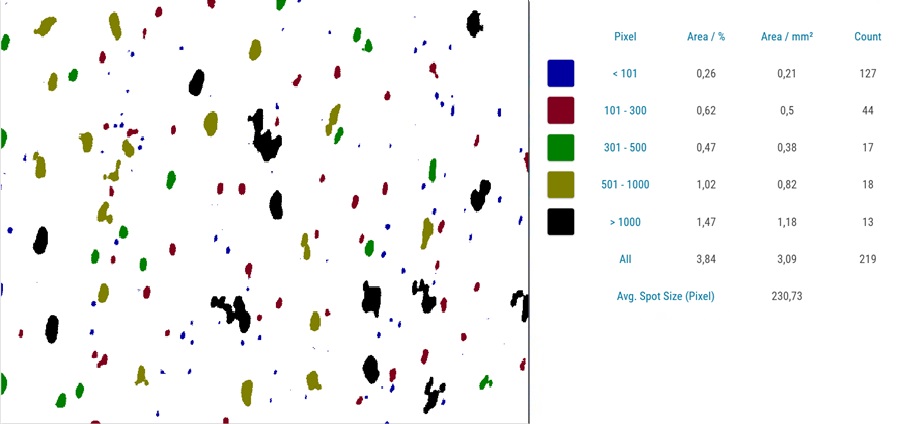
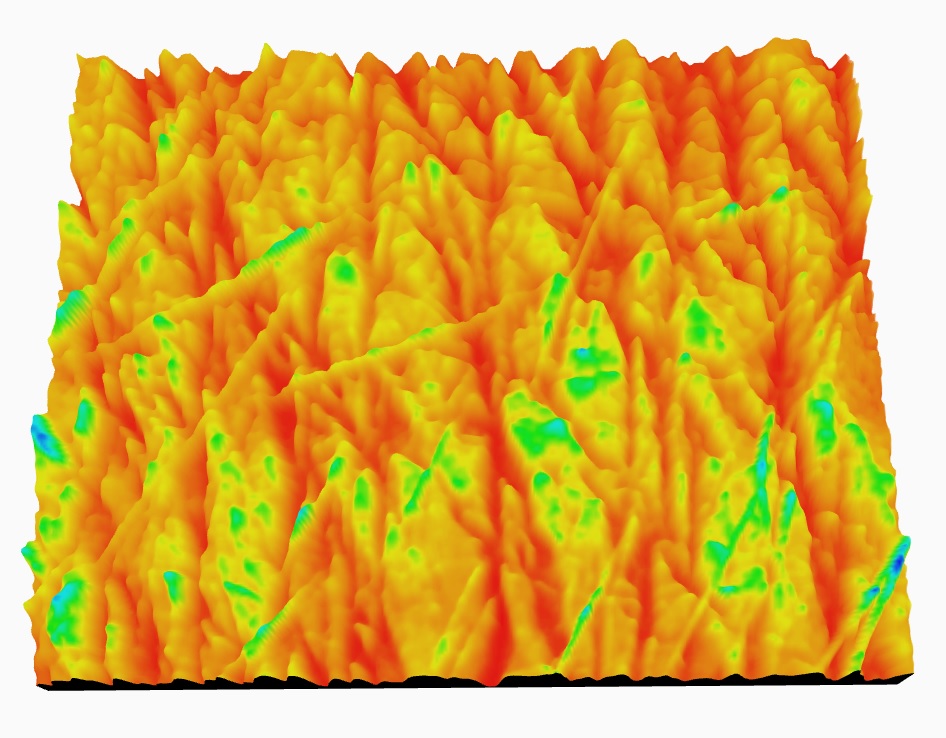
Displays skin surface images in false colour or grey-scale “3D” views for easier visual interpretation.
Software allows convenient organization of images and results, with the ability to evaluate study data together by one click.

Includes a check calibration function to verify the geometric accuracy of the camera.

The Visioscan® is used worldwide in skin research studies and was used onboard the International Space Station — ISS to monitor astronauts’ skin condition.

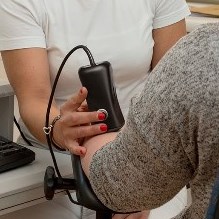
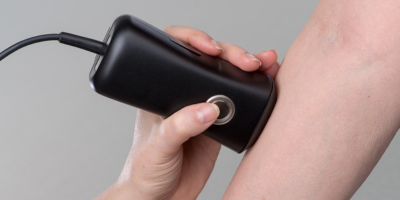
Small camera design allows flexible use on different body sites and can be mounted on a tripod when needed.

Connects directly to the computer by USB for reliable operation and data transfer.
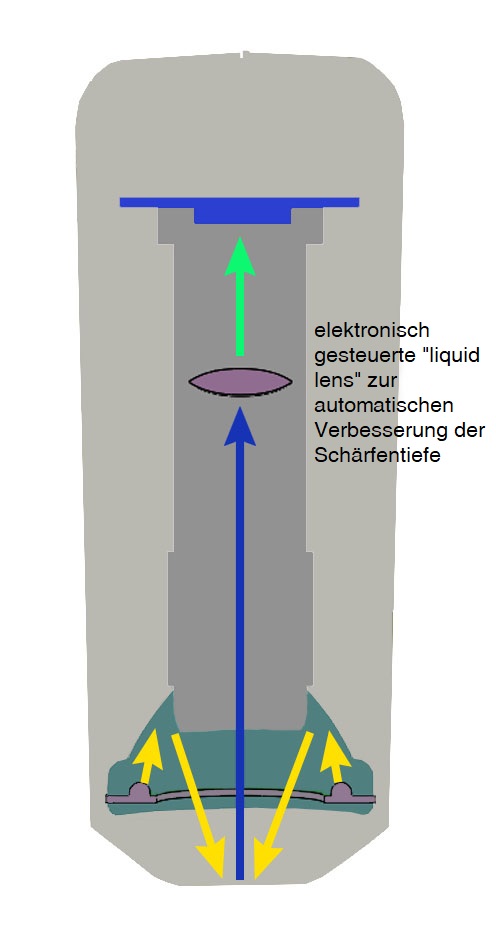
The Visioscan® VC 20plus uses a unique UVA LED illumination system, unlike conventional colour skin cameras. The UVA light is evenly distributed by a reflector and is designed to capture the skin surface structure clearly without glossy reflections.
The camera is built in a small, ergonomic plastic casing and includes a high-resolution black-and-white video sensor chip, an objective lens, and advanced liquid lens technology. This electronically controlled lens automatically adapts to the distance from the skin surface and maximizes the depth of field for sharp, consistent imaging.
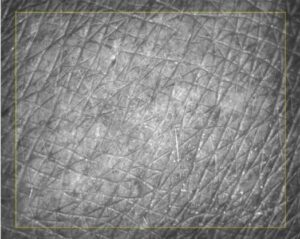
The system captures detailed, non-glossy skin surface images of approximately 10 × 8 mm, displayed in 255 grey levels. In the image, wrinkles and lines appear darker, while skin scaliness appears as very bright pixels.
The software then analyzes the image and calculates multiple skin topography parameters, helping quantify surface features such as smoothness, roughness, scaliness, wrinkles, lines, and texture changes.

Used to evaluate product effects on skin roughness, texture, surface structure, dryness, and skin topography.

Supports claims such as anti-wrinkle, anti-aging, smoothing, rejuvenating, anti-roughness, hydrating, against dry/scaly skin, and exfoliating.

Suitable for basic dermatological studies involving human and animal skin surface condition.

Helps monitor the state of the skin and demonstrate the importance of using skin protection products in specific work environments.

Useful for before-and-after studies and long-term monitoring of skin surface changes following product use or treatment.

Can support additional applications involving hair, pigmented spots, lesions, desquamation, sebum production, and surface feature measurement.

The Visioscan® VC 20plus measures and analyzes skin surface topography using high-resolution UVA-light imaging. It helps evaluate skin smoothness, roughness, scaliness, wrinkles, lines, dryness, and texture.
SELS® — Surface Evaluation of the Living Skin — parameters are image-based calculations developed especially for the Visioscan®. They include skin smoothness, skin roughness, scaliness, and wrinkles, helping quantify the skin surface condition.
The camera uses UVA LED illumination, a high-resolution black-and-white video sensor, and liquid lens technology to capture non-glossy skin surface images. The software then analyzes grey-level patterns to calculate skin topography parameters.
The Visioscan® can support claims such as anti-wrinkle, anti-aging, smoothing, rejuvenating, anti-roughness, hydrating, against dry/scaly skin, and exfoliating, depending on the study design.
Yes. It can also be used for hair measurements, pigmented spots and lesions, desquamation analysis with Corneofix® F 20, and sebum production monitoring with Sebufix® F 16.
Yes. The Visioscan® VC 20plus includes a Background Correction & Camera Calibration function to verify the geometric accuracy of the camera and support reliable image-based measurements. This function is performed through the VC 20plus software, which provides a step-by-step guide for the user.
Get updates on new instruments, testing insights, and industry news delivered to your inbox.