
No products in the cart.
Understanding the Differences Between Skin Glow, Radiance, Brightness & Gloss
- Home
- Understanding the Differences Between Skin Glow, Radiance, Brightness & Gloss
What’s the Difference Between “Glow”, “Radiance”, “Brightness”, and “Gloss” in Cosmetic Products? And What Does It Mean for the Glossymeter GL200?
In the world of skincare and cosmetic science, terms like glow, radiance, brightness, and gloss are often used interchangeably. While they all relate to how healthy and vibrant the skin appears, each term carries a distinct meaning — and understanding these differences is crucial when evaluating product performance or designing clinical studies. This is especially relevant when using precision instruments like the Glossymeter GL200 by Courage+Khazaka.
Let’s break down each term and explore how the GL200 helps quantify one of the most important surface characteristics: gloss.
What’s the Difference Between “Glow”, “Radiance”, “Brightness”, and “Gloss” in Cosmetic Products? And What Does It Mean for the Glossymeter GL200?
1. Glow: The Inner Vitality
Glow refers to a soft, healthy-looking illumination that seems to come from within the skin. It’s often associated with well-hydrated, plump skin and a balanced complexion. While glow is a holistic, subjective term, it reflects overall skin wellness — combining moisture, smoothness, and even tone.
- Can GL200 measure it?
✖ No. Glow is too multifactorial to be captured by a single surface-level metric. However, improvements in gloss may contribute to the perception of glow.
2. Radiance: The Luminous Clarity
Radiance implies skin that reflects light in a smooth, even, and balanced way — making it appear vibrant and fresh. It’s more about light reflection than skin tone and is influenced by skin texture and hydration.
- Can GL200 measure it?
➖ Partially. Gloss measurements from the GL200 often correlate with perceived radiance, especially when paired with imaging tools or clinical evaluations.
3. Brightness: The Even Tone
Brightness is typically about the lightness or clarity of skin tone — often used in relation to pigmentation, dullness, and overall complexion. Brightness is closely tied to color and is more accurately assessed using colorimeters or spectrophotometers.
- Can GL200 measure it?
✖ No. Brightness is not about surface reflection but about color — use tools like the Colorimeter CL400 instead.
4. Gloss: The Surface Shine
Gloss refers to the mirror-like reflection of light from the skin’s surface. It indicates how smooth and polished the skin or hair appears. In cosmetics, a high gloss finish is often desirable in products like lip gloss, serum-treated hair, or post-treatment skin.
- Can GL200 measure it?
✅ Yes! This is precisely what the Glossymeter GL200 is built for.
How the Glossymeter GL200 Works
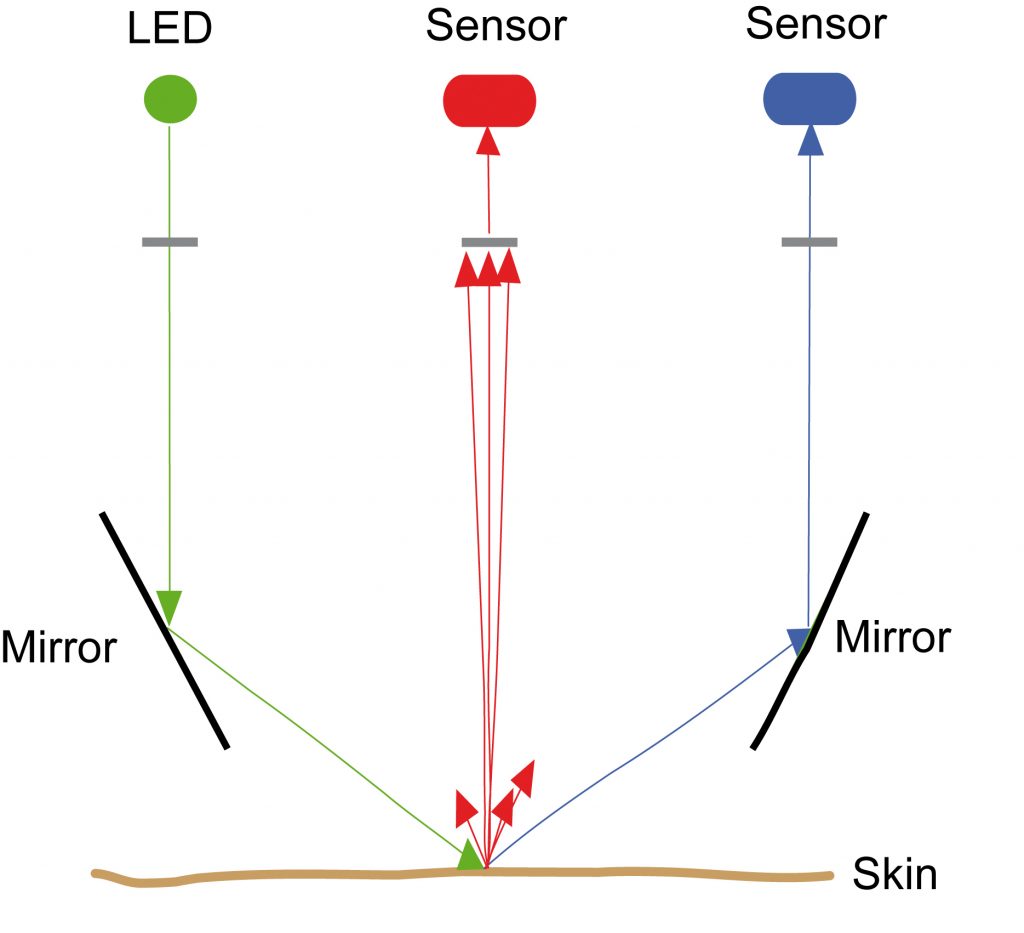
The Glossymeter GL200 quantifies specular reflection — the sharp reflection of light from a smooth surface. It uses a diode light source and a precision sensor to capture gloss values, eliminating interference from skin tone or texture irregularities.
Applications include:
- Evaluating skin oiliness or shine control
- Measuring gloss before and after treatment (e.g., moisturizers, anti-aging serums)
- Testing hair care products for shine enhancement
- Supporting marketing claims like “improves skin radiance” with objective data
Why Use GL200 in Cosmetic Evaluation?
The Glossymeter GL200 is a valuable tool for cosmetic formulators, researchers, and marketers looking to:
- Quantify improvements in surface shine
- Validate product claims around radiance and glow
- Track treatment efficacy over time
Join Our Newsletter Now
Get updates on new instruments, testing insights, and industry news delivered to your inbox.

Discover
- In-vivo Testing
- 3D Imaging
- In-vitro Testing
- Aesthetic Consultation
- Skin-On-Chip
- VITRO-SKIN®
- Allergy Testing
Resource
- Latest News
- Equipment Rental
- FAQ
- Contact
Product was successfully added to your cart!


